


Targeted subsidy programme offers petrol relief to motorcycle, rickshaw, Qingqi, and small car owners, with real-time registration and nationwide outreach
ISLAMABAD, Pakistan – Prime Minister Muhammad Shehbaz Sharif’s Special Relief Scheme is now running successfully across Pakistan, providing direct fuel relief to eligible owners of motorcycles, rickshaws, Qingqis, and cars up to 800cc.
The scheme represents a targeted, practical, and financially responsible response to rising global oil prices, which have hit oil-importing countries like Pakistan especially hard. The first to feel the impact are working-class citizens who rely on motorcycles, rickshaws, Qingqis, and small cars to earn a living.
Despite limited fiscal space and international commitments, Prime Minister Shehbaz Sharif acted quickly to launch the initiative—putting Pakistan among the very few countries to offer direct fuel relief to citizens against global price shocks.
A Demographic That Drives the Economy
The scheme specifically targets a demographic that falls outside conventional social-assistance programmes. Without their transport, these citizens not only struggle to provide for their families—they also cannot generate economic activity. They are the links that drive economies at a hyperlocal level, and this scheme reaches them directly.
Relief for Two and Three-Wheelers
Motorcycle, rickshaw, and Qingqi users receive Rs. 500 relief per week through four tokens a month. On the Prime Minister’s direction, the minimum purchase requirement of five litres has been removed, so the full Rs. 500 relief now applies to any amount of petrol.
For example, if a rider buys 2 litres costing Rs. 780, they pay only Rs. 280.
Relief for Cars up to 800cc
Cars up to 800cc receive Rs. 100 per litre cheaper on 10 litres every ten days, through three subsidized tokens a month—bringing fuel prices down to pre-war era levels.
A Dynamic, Responsive Programme
The programme is unique in that it responds to citizen feedback in real time. Acting on public feedback, the Prime Minister extended the scheme to motorcycles, rickshaws, and Qingqis from 15 years to 20 years old. Any of these vehicles registered on or after 1 January 2006 now qualify.
Similarly, the registration SMS to 9771 was made completely free—no citizen pays anything to enroll. The initial minimum fuel limit of 5 litres for two and three-wheelers has also been removed.
How to Register
Citizens can send an SMS to 9771 in the following format:
REG [space] CNIC number [space] vehicle number without spaces [space] first English letter of the province (e.g. S for Sindh) [space] vehicle registration date
After receiving the confirmation message, send TOK to 9771 before visiting the petrol pump to receive a fuel token.
Built-In Transparency
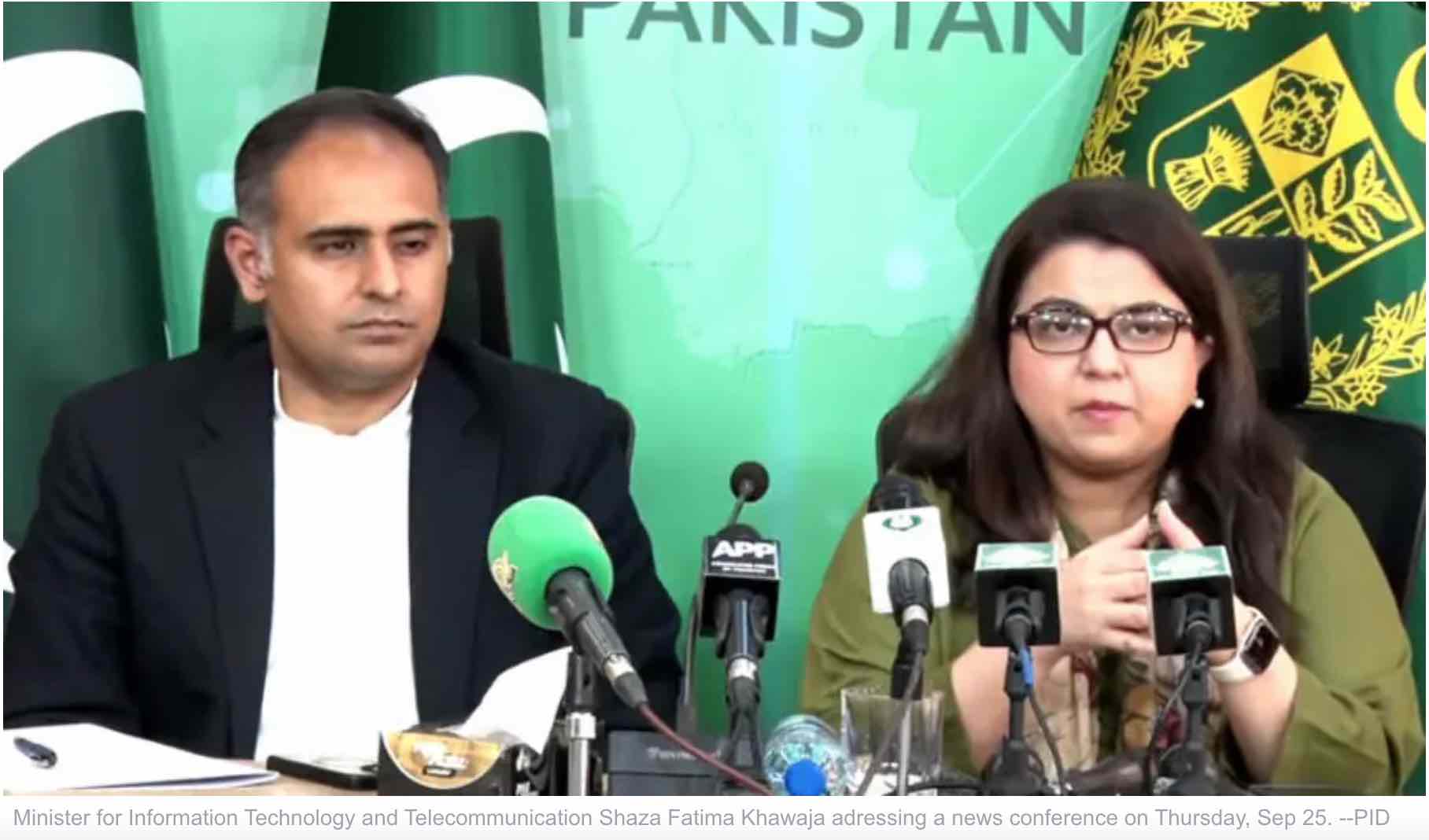
The Ministry of IT, led by Federal Minister Shaza Fatima Khawaja, built the SMS registration, digital token, and on-the-spot verification system in record time compared to similar initiatives in Asia. The system links each applicant’s CNIC, CNIC-registered SIM, vehicle record, and unique token—preventing duplicate claims and misuse. A 24/7 control room monitors registrations, tokens, and complaints, completing the feedback loop that allows fine-tuning of the programme.
Nationwide Public Outreach
The Ministry of Information and Broadcasting, led by Federal Minister Attaullah Tarar, ran a nationwide awareness campaign across TV, radio, print, and digital media. Youth teams deployed at petrol stations are testing the system in real conditions, guiding citizens and reporting issues for immediate resolution.
Leading by Example
The federal government has also adopted austerity measures to save public money and fuel, ensuring that relief is directed to working and low-income families.
Personal Oversight by the Prime Minister
The Prime Minister is personally supervising the scheme. Every expansion so far has come in direct response to public feedback, with the aim of making relief easier, broader, and accessible to every eligible citizen.
The Scheme’s Lasting Value
Beyond immediate relief, the scheme is building a secure digital economic record of a large, critical segment of Pakistan’s lower- and middle-income population, with safeguards for personal data. This will allow the government to identify affected citizens and reach them with direct, transparent, and targeted programmes for assistance and behaviour change.
Federal Minister for IT and Telecom Shaza Fatima Khawaja managed to create, lead, and execute a countrywide subsidy programme powered by an enterprise-grade application with full customer service support, coordinating with multiple ministries, bodies, authorities, and private vendors—in just days.
Internally, for the first time, the federal government has a clear playbook on how to execute across crisis scenarios with remarkable agility.
